



How to Choose Safety Shoes for Cold Weather: Insulation, Grip and Waterproofing
Cold weather changes the way safety footwear performs. A boot that feels fine in a dry warehouse can become stiff, slippery or uncomfortable when the same worker steps onto a wet loading dock, a frosty storage floor or a muddy winter construction path. For buyers, the problem is not just choosing a warmer boot. It is choosing a safety shoe that keeps protection, grip and comfort working together in low-temperature conditions.
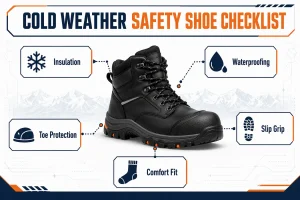
Cold weather safety shoe checklist showing insulation waterproofing slip grip toe protection and comfort fit
Cold weather safety shoes are not just winter boots
A normal winter boot may keep the foot warm, but that does not automatically make it suitable for a worksite. Safety footwear still needs the right protective toe, outsole design, upper strength and workplace rating for the job. In many B2B orders, buyers need to balance two sets of requirements: the climate requirement and the safety requirement.
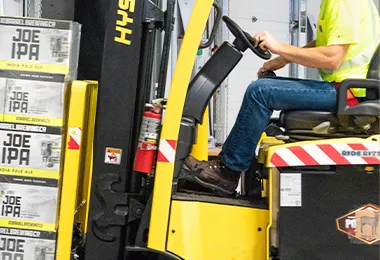
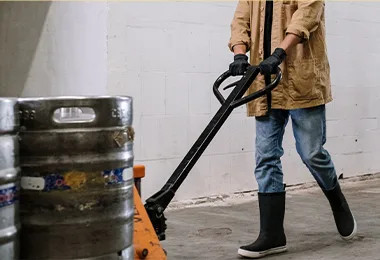
For example, a worker in a cold storage warehouse may need warmth and slip resistance on smooth frosty floors. A construction worker may need a stronger outsole, water resistance and puncture protection. A loading dock team may care more about wet grip, ankle support and a boot that does not become heavy after repeated exposure to rain and slush. The same temperature does not create the same footwear requirement in every workplace.
Start with the actual cold environment
Before choosing insulation, define where the shoe will be used. Is the worker standing inside a cold storage room for long shifts? Moving between indoor and outdoor zones? Working in rain, snow or muddy ground? Low temperature alone is too broad. The ground condition matters just as much.
Indoor cold storage usually calls for controlled warmth, stable slip resistance and flexibility. Outdoor winter construction may need deeper tread, stronger water protection and a more rugged upper. Wet loading docks need grip on smooth concrete, because water films and slush can reduce traction quickly. A good specification starts with these questions before discussing lining thickness or boot height.
Insulation should match movement, not only temperature
More insulation is not always better. If workers walk constantly, climb stairs or move between temperature zones, an overly warm lining may cause sweat. Once socks become damp, comfort drops and the foot may feel colder during breaks. For static work in very cold areas, stronger insulation can make sense. For active work, breathability and moisture management are just as important.
Buyers should ask how long workers stay in the cold, how much they move, and whether they can change socks or rotate footwear. A practical winter safety shoe specification often includes a warm lining, enough internal room for socks, and a fit that does not squeeze circulation. Tight footwear can feel colder even if the material looks warm on paper.
Waterproofing and water resistance are not the same
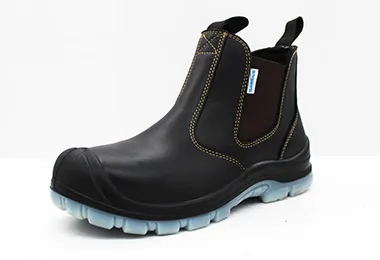
Cold weather often comes with water: rain, melting snow, wet concrete and mud. A water-resistant upper can help with light splashes, but it should not be described as the same thing as whole-footwear waterproofing. If workers face standing water, slush or repeated wet exposure, buyers should ask whether the boot uses a waterproof membrane, sealed construction or a tested whole-footwear water resistance design.
This point is especially important for private-label and bulk buyers. If the sales copy says waterproof, the product file should support that wording. If the shoe is designed mainly for water-resistant upper performance, the marketing language should stay precise. Overpromising waterproof performance can create complaints even when the shoe is otherwise well made.
Grip matters more when rubber meets cold ground
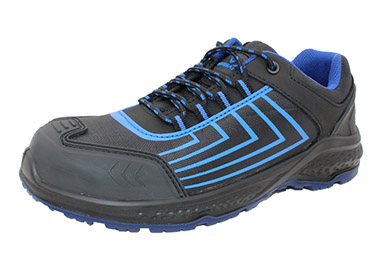
Cold ground changes walking risk. Smooth warehouse floors, wet ramps, outdoor mud and compacted snow all require different outsole thinking. Buyers should look beyond a deep-looking tread and ask how the sole pattern clears water, slush or debris. Wide channels may help release mud; fine patterns may help on smoother floors; overly hard compounds may feel less stable in low temperatures.
No outsole is ideal for every winter surface. The right choice depends on the jobsite. For mixed indoor and outdoor use, a balanced tread with stable heel contact and good flex can be more practical than an extremely aggressive outsole. For construction and outdoor work, deeper lugs and stronger sole edges may be more important.
Toe protection still has to fit the job
Winter features should not distract from basic safety protection. If the job requires impact or compression protection, the toe cap specification still matters. Steel, composite and other toe options each have trade-offs. In cold conditions, buyers may also consider weight, thermal feel and airport or metal-detection requirements.
The key is to avoid choosing winter comfort first and safety second. A comfortable boot that lacks the required protection is not the right safety shoe. At the same time, a highly protective boot that is too stiff, heavy or cold for the user may not be worn correctly. The best winter safety footwear keeps the protection package and the climate package aligned.
Fit and socks can decide whether the boot works
Cold weather often changes how workers wear footwear. Thicker socks, thermal insoles and longer shifts can all change fit. A boot that fits perfectly with thin socks may become tight with winter socks. Tight footwear can reduce comfort and circulation; loose footwear can reduce stability and increase rubbing.
For bulk orders, size planning should reflect the end-use season. Buyers can request samples with the intended socks, test them during walking and kneeling, and check whether the collar, tongue and lacing system still hold the foot securely. This is a small step, but it can prevent many winter comfort complaints.
How Vitosafe helps buyers specify winter safety footwear
For winter and cold-weather projects, Vitosafe helps buyers turn workplace conditions into practical footwear specifications. Instead of simply adding a warm lining to an existing model, we review the jobsite, ground condition, protection needs, target market and labeling language. This helps buyers avoid confusing water-resistant uppers with waterproof footwear, or choosing a sole pattern that looks rugged but does not match the real surface.
For distributors, contractors and private-label buyers, the best approach is to share the temperature range, wet exposure, floor type, safety rating target and expected wearing time. From there, Vitosafe can recommend suitable upper materials, lining options, outsole direction and documentation route for the project. Cold-weather safety shoes should not be guessed from a catalog photo. They should be specified from the jobsite backward.
