


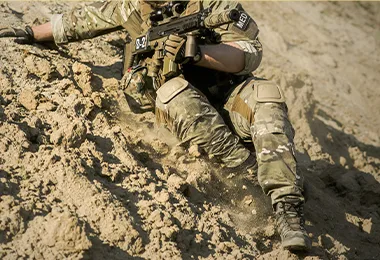
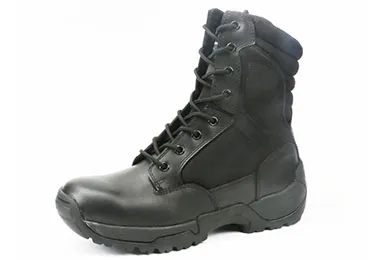

Puncture-Resistant Midsoles: Steel Plate vs Non-Metallic Safety Shoes
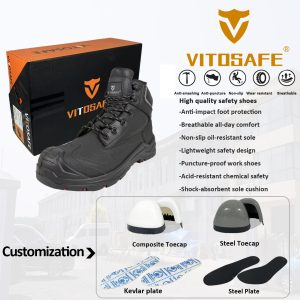
vitofootwear Steel Plate vs Kevlar plate
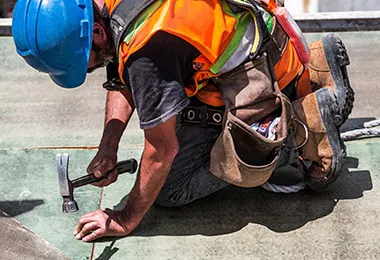
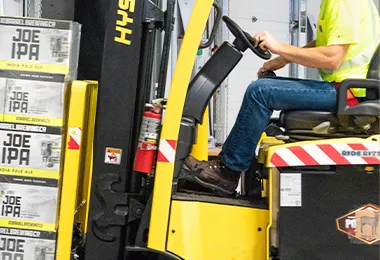
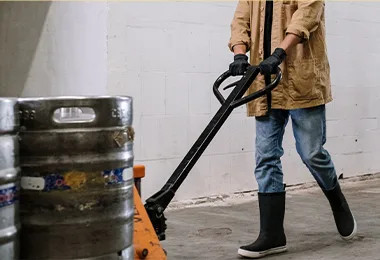
Picture a representative jobsite problem. A purchasing manager orders safety shoes with a protective toe cap for a warehouse renovation team. The boots look solid, the outsole looks thick, and the price is acceptable. Then the first complaint arrives from the site: pallet nails, broken screws and sharp scrap are everywhere. The risk is not coming from the front of the boot. It is coming from under the foot.
That is where puncture-resistant midsoles enter the discussion. For many buyers, the question quickly becomes steel plate or non-metallic textile insert. Both can be valid choices when tested and specified correctly. The mistake is treating one as automatically superior in every workplace.
This guide is written for distributors, PPE buyers and safety managers who need to choose a puncture-resistant safety shoe that matches the real floor, not just a line in a catalog.
Why the Midsole Matters More Than Buyers Think
Toe protection gets most of the attention because it is easy to understand. A falling tool hits the toe cap. A cart rolls over the front of the boot. The risk is visible. Puncture risk is different. It sits on the floor and waits for a bad step.
Pallet repair shops, demolition sites, metal fabrication floors, recycling areas and renovation projects all create hazards that can move through an ordinary outsole. A thick outsole alone does not automatically mean puncture resistance. The protective layer inside the sole construction is what changes the discussion.
In current EN ISO 20345 language, penetration-resistant footwear may use metallic or non-metallic inserts, and newer markings distinguish between types of non-metallic protection. For procurement, the key point is simple: ask what insert is used, how it was tested, and whether the result matches your site risk.
Steel Plate: Familiar, Firm and Straightforward
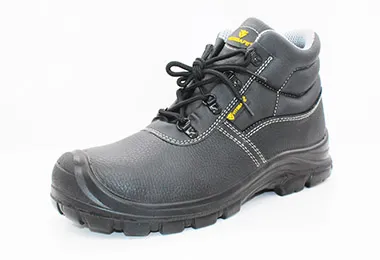
Steel plate midsoles have a long history in safety footwear. Many buyers like them because the concept is easy to explain: a thin metal plate sits between the foot and the floor hazard. For some markets and older specifications, that familiar construction still gives buyers confidence.
Steel can perform well against many common puncture hazards when the shoe is properly built and tested. It also gives the sales team a simple story to tell to workers who already associate metal with strength. In rough construction and pallet-heavy environments, that familiarity can matter.
But steel is not a perfect answer. It may add weight and stiffness. It can conduct cold more easily than textile materials. It is also not ideal where metal detectors are part of the workflow. If your customer works in airports, some logistics sites, food processing areas or electronics-related facilities, a metal-free construction may deserve a closer look.
Non-Metallic Midsoles: Flexible, Lighter and Metal-Free
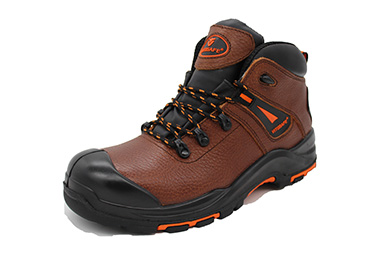
Non-metallic puncture-resistant midsoles are usually made from layered textile or composite materials. Their biggest advantage is not that they magically defeat steel. Their advantage is the way they can combine protection with flexibility, lower weight and metal-free comfort.
A non-metallic insert can help when workers bend, kneel, climb or walk long distances. It can also be useful when the footwear must pass through metal detection or when cold transfer from metal would be uncomfortable. For teams that reject stiff boots, comfort is not a small detail. A protective shoe left in the locker protects nobody.
The buying risk is assuming all non-metallic midsoles are the same. They are not. Ask whether the product uses the relevant tested construction and whether the insert coverage suits the outsole shape. In some standards language, non-metallic inserts may be marked differently depending on the test nail size and protection class. Do not reduce that to a vague ‘Kevlar-style’ claim.
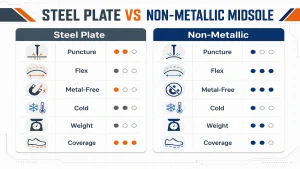
Technical infographic comparing steel plate and non-metallic puncture-resistant midsoles for safety shoes across puncture risk, flexibility, metal-free use, cold transfer, weight and coverage
How to Match the Midsole to the Jobsite
Start with the floor, not the material name. If the site has pallet nails, demolition debris, screws, offcuts or sharp wire, puncture resistance should be part of the specification. Then ask how the worker moves. Mostly standing? Steel may be acceptable. Lots of kneeling, climbing and walking? Non-metallic may feel better across a full shift.
Next, check the environment. Cold stores and winter outdoor work may make metal conduction more noticeable. Security checkpoints or metal-sensitive workplaces may push the decision toward a metal-free shoe. On the other hand, some buyers still prefer steel plate because their customers understand it quickly and trust the traditional construction.
Finally, think about the market you are selling into. The document language matters. A buyer in Europe may ask for EN ISO 20345 markings. Another customer may discuss ASTM or local requirements. The right supplier should be able to connect the construction choice with the test report, not just send a product photo.
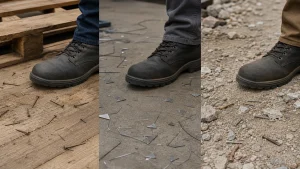
Three puncture-risk jobsite floors showing pallet nails, metal scrap and outdoor screws near safety work boots without injury or penetration
Questions to Ask Before You Order
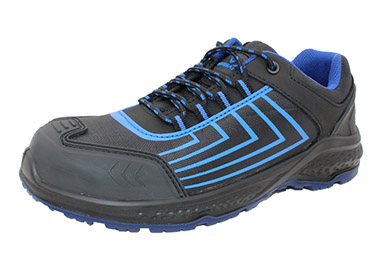
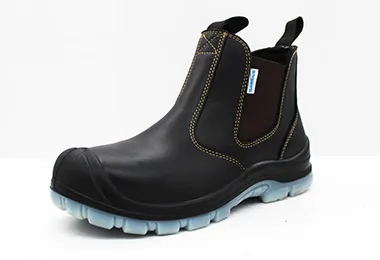
Before confirming a puncture-resistant safety shoe, ask five direct questions. First, is the insert metallic or non-metallic? Second, what test report supports the puncture-resistance claim? Third, does the insert coverage fit the outsole design? Fourth, will the shoe be used around metal detectors, cold floors or long walking shifts? Fifth, can the supplier recommend a model based on your actual hazard list instead of only quoting the cheapest option?
Those questions quickly separate a real safety footwear supplier from a catalog trader. A real supplier may still ask you to clarify the destination market or expected standard before making a final recommendation. That is not delay. That is how the wrong shoe is avoided.
At Vitosafe, we discuss puncture-resistant footwear by jobsite risk, comfort expectation, target market and documentation needs. Some buyers will be better served by steel plate construction. Others will need a non-metallic solution. The goal is not to sell one material to everyone. The goal is to help you put the right protection under the right worker’s foot.
Browse our product cataloghttps://www.vitofootwear.com/shoes/
Browse our website homepagehttps://www.vitofootwear.com/
Sources
Uvex safety footwear standards guide: EN ISO 20345:2022 explanatory notes on P, PL and PS puncture-resistance markings
Public safety footwear buyer guides consulted for general distinctions around metal and non-metal protective components; final product choice should follow the actual model test report
