



Reflections Triggered by a Single Nail: How to Choose the Right Safety Shoes for Construction Workers
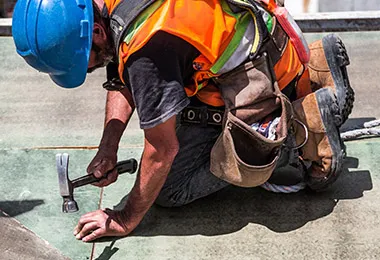
At 9 a.m., Old Li, a carpenter on a construction site, stepped on a piece of scrap wood with a nail sticking out. The nail punctured the sole of his shoe and drove into his foot, soaking his sock in blood. The wound later became infected, forcing him to take two weeks off work and incurring over 3,000 yuan in medical expenses.
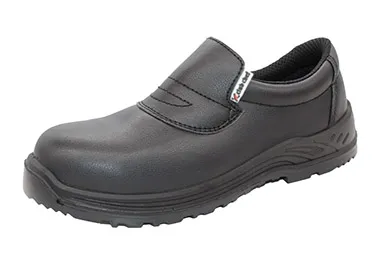
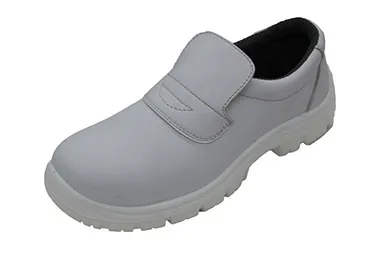
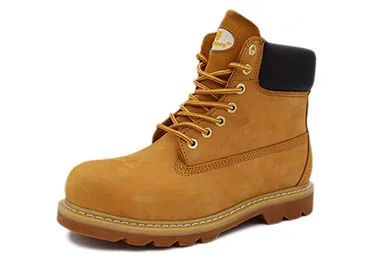
This isn’t just a story—it’s a real-life lesson seen on many construction sites. Opting for substandard safety shoes might save you a small amount of money, but the real cost is your health and time. We are VITOSAFE, a safety shoe manufacturer based in Qingdao, China, with an annual production capacity of over 1 million pairs, serving more than 60 countries globally. Today, we’ll help you choose the right safety shoes from a practical perspective.
I. Steel Toe vs. Composite Toe: Don’t Focus Solely on Weight
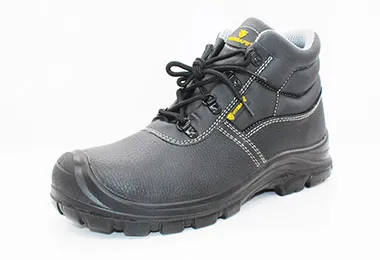
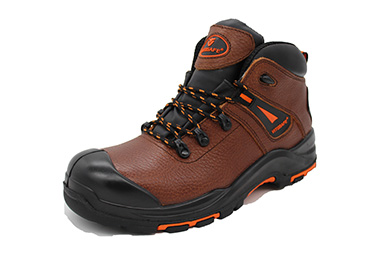
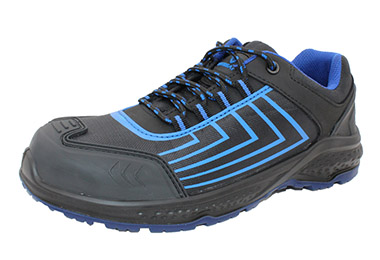
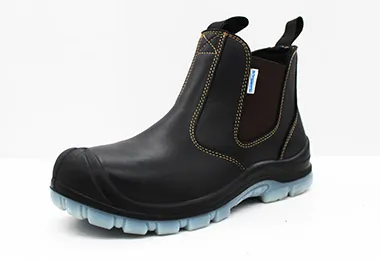
- Steel Toe: Provides consistent impact resistance. The downside is its weight. Steel toes are ideal for general construction and municipal engineering.
- Composite Toe: 30%-40% lighter than steel toes, non-conductive, and non-thermally conductive. Composite toes are better for working at heights (to reduce load) and electrical maintenance (for insulation needs).
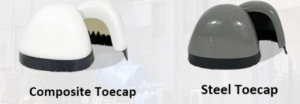
Steel Toe vs. Composite Toe
Key Takeaway: Regardless of type, the shoes must pass the static pressure and impact tests outlined in GB 21148-2020.
II. Puncture-Resistant Midsole: How to Defend Against Nails
Old Li learned the hard way the importance of a puncture-resistant midsole. Puncture-resistant midsoles are typically made from steel plates or Kevlar. Steel plates are cost-effective and reliable but are heavy and inflexible, making walking uncomfortable after prolonged use.
Kevlar, the same material used in bulletproof vests, is more than 40% lighter than steel plates and bends naturally with the sole, offering greater comfort during long hours of walking. Additionally, Kevlar is neither thermally nor electrically conductive. The downside? Kevlar typically costs 30–50 yuan more than steel plates.

Steel Toe vs. Composite Toe
International standard ISO 20345 requires puncture-resistant midsoles to withstand a minimum puncture force of ≥1100N (equivalent to a 110 kg weight pressing on a nail tip). Whether using steel plates or Kevlar, all VITOSAFE safety shoes pass the EN ISO 20345 test.
Here’s a simple test: Remove your shoe, place a new nail, and apply pressure to the puncture-resistant layer in the center of the sole. If the nail doesn’t penetrate, the midsole passes. VITOSAFE safety shoes, featuring either steel plates or optional Kevlar midsoles, provide the same level of protection while offering greater comfort with the Kevlar option.
III. Slip Resistance Rating: Prevent Slips on Wet or Slippery Surfaces
For construction sites, we recommend safety shoes with the SRC slip resistance rating, the highest level of slip protection. Our soles, manufactured using German DESMA injection molding technology, excel on oily and slippery surfaces.
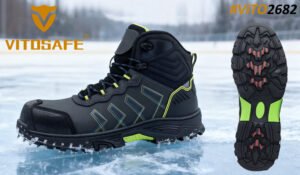
non-slip sole
IV. Certification Standards: The Importance of Certifications
Qualified safety footwear must display permanent markings to prove they meet safety standards. Over 90% of our safety shoes are tested and certified according to major international standards such as EN ISO 20345, ASTM F2413, and AS/NZS 2210, and are exported to markets across Europe, the Americas, and South America.
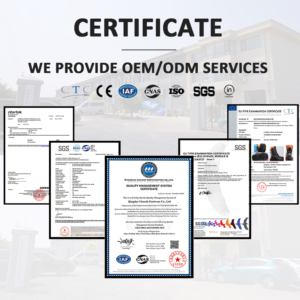
Safety Shoe Certificate
To help you make a quick decision, here is a concise selection guide.
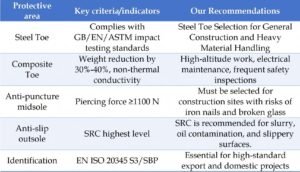
Safety Shoe Selection Chart
Conclusion:
At VITOSAFE, we are a leading manufacturer with over 300 employees, including a 10-person R&D team and a 12-person quality control team. For bulk orders, we offer trial samples and customization options, including styles branded with your construction site logo.
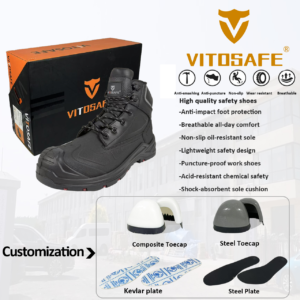
Customized safety shoes
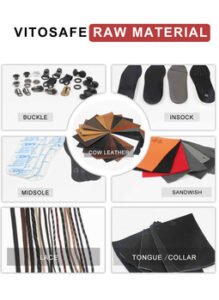
Customized safety shoe raw materials
For more information, please contact us using the details below.
