


Water-Resistant vs Waterproof Safety Shoes: What S2, S3, WR and WPA Really Mean
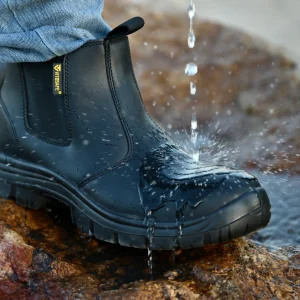
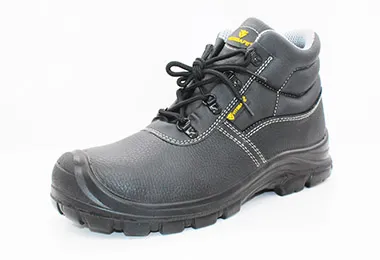
Vitosafe black waterproof safety boot repelling water on a wet outdoor worksite surface
A common buying mistake starts with one simple word: waterproof. A distributor asks for waterproof safety shoes, a factory replies with S3 shoes, and everyone assumes the problem is solved. Then the boots arrive at a rainy loading dock, workers stand in shallow water for long shifts, and the complaint is immediate: feet are still getting wet.
The issue is not always poor quality. Often, it is a language problem. Water-resistant upper, water-repellent upper, S2, S3, WPA and WR do not all mean the same thing. If a buyer treats them as interchangeable, the wrong product can be ordered even when the shoe itself is made correctly.
This guide explains the difference in practical procurement language, so you can match wet working conditions to the right safety footwear specification without overpromising to your customer.
Start with Exposure, Not the Word ‘Waterproof’
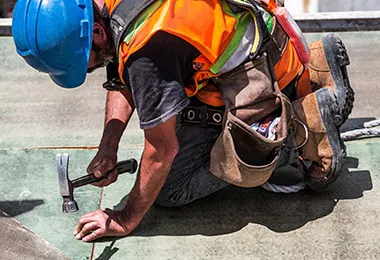
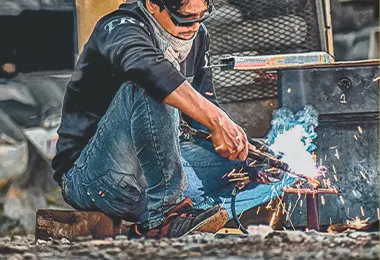
Before discussing any rating, ask what kind of water exposure the worker actually faces. Light splashes from cleaning are different from walking across a rainy yard. A wet loading dock is different from standing in puddles. Muddy outdoor access is different again, because water, dirt and outsole grip all matter together.
For many indoor workplaces, a water-resistant upper may be enough. The shoe needs to handle splashes, wipe-down work, or short contact with wet floors. For outdoor construction, agriculture, utilities or rainy logistics, the buyer may need whole-footwear water resistance or a waterproof membrane, depending on the duration and depth of exposure.
That first question saves money. If the site only has occasional splash, a full waterproof construction may be unnecessary. If workers stand in water, an upper-only requirement may create disappointment.
What S2 and S3 Usually Tell You
In practical catalog language, S2 and S3 safety shoes are often associated with uppers that resist water penetration and absorption. Under the newer EN ISO 20345 wording, buyers may also see WPA used for water penetration and absorption of the upper material. This is important, but it is not the same as saying the entire shoe is waterproof.
S2 builds on the basic safety requirements by adding upper water resistance. S3 adds other elements such as penetration resistance and a cleated outsole, depending on the specific standard version and product construction. That makes S3 suitable for many outdoor or tougher sites, but it still should not be automatically described as a waterproof boot unless the whole footwear has the correct tested water-resistance claim.
For marketing copy, the safer wording is ‘water-resistant upper’ or ‘water-repellent upper’ when the evidence only supports upper performance. Use ‘waterproof’ only when the product structure and test documents support whole-shoe water resistance.
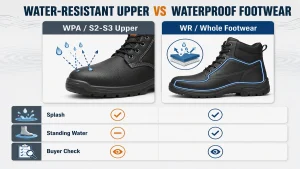
Technical infographic comparing WPA water-resistant upper and WR whole footwear water resistance for safety shoes with splash, standing water and buyer check rows
WPA vs WR: The Buyer-Friendly Difference
A simple way to explain the difference is this: WPA is about the upper material’s resistance to water penetration and absorption; WR is about water resistance of the whole footwear. The first focuses on the material or upper area. The second is a broader whole-shoe performance claim.
This distinction matters in real quotations. If a customer writes ‘waterproof S3’ in an inquiry, do not answer with a model number only. Ask whether they mean splash-resistant leather upper, rainy outdoor walking, or standing water. The same word can represent three different products, three different price points and three different complaint risks.
It also matters for after-sales. A worker who walks through wet grass for ten minutes has a different expectation from a worker standing on a flooded dock. If the order confirmation only says waterproof without defining the performance level, both sides may believe they are correct when a dispute appears.
When to Choose Water-Resistant Safety Shoes
Water-resistant safety shoes can be a smart choice for dry-to-damp workplaces. Think warehouses with occasional cleaning, indoor maintenance, light manufacturing, retail stockrooms, and logistics teams that step through wet entrances but do not work in standing water all day.
The advantage is balance. A water-resistant upper can help handle everyday moisture while keeping the shoe breathable, flexible and cost-effective. For distributors, this can be easier to sell when customers care about comfort and price as much as protection.
The key is honesty. Do not sell this category as a rain boot. Explain that it is suitable for splashes and short wet contact, not for prolonged submersion or deep puddles. That honesty protects the relationship more than a stronger-sounding product description.
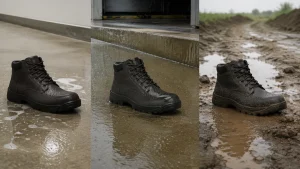
Three wet work environments showing indoor cleaning splash, rainy loading dock and muddy construction access path with safety boots
When Waterproof Construction Makes More Sense
Whole-footwear water resistance or waterproof membrane construction makes more sense when wet exposure is frequent, long, or difficult to avoid. Outdoor construction crews, utilities teams, rainy loading docks, landscaping crews and agricultural users may need more than an upper that sheds water.
However, waterproof construction is not only a benefit. It can affect breathability, price, lead time and sample approval. Some customers will accept that trade-off. Others will not. The supplier’s job is to make the trade-off clear before the purchase order, not after the first rainy week on site.
If a customer needs WR or a waterproof membrane, confirm the exact standard wording, destination market and documentation requirement early. The sample should be reviewed under the expected jobsite use, not only on a clean office floor.
How Vitosafe Helps Buyers Avoid the Wrong Specification
At Vitosafe, we do not treat ‘waterproof’ as a one-word answer. We first ask where the shoe will be used, how long it will contact water, whether the floor also needs slip resistance or puncture protection, and what documents the target market requires.
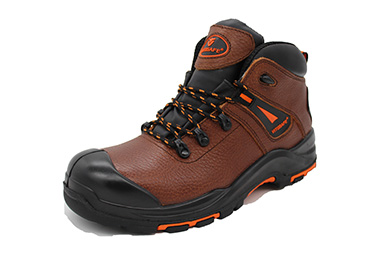
For some orders, an S2 or S3 style with a water-resistant upper is the practical answer. For others, the conversation should move toward WR or a waterproof membrane construction. The right choice depends on jobsite exposure, comfort expectations, budget and compliance route.
If your next safety footwear order involves rain, cleaning water, muddy ground or wet logistics, do not start with the strongest label. Start with the real water exposure. Then choose the construction that your workers, customers and test documents can all support.
Sources
EN ISO 20345:2022 public safety footwear guidance consulted for WPA and WR terminology.
Public work-boot buyer guidance consulted for the practical distinction between water-resistant and waterproof footwear. Final claims should follow the actual product test report.
