




Women’s Safety Shoes: How to Get the Fit Right Without Reducing Protection
Women’s safety shoes are often treated as a small-size version of men’s footwear. That shortcut can create real problems for buyers: heel slip, pinched toes, poor arch support, unstable walking and lower worker acceptance. For distributors, contractors and factory teams, the goal is not to make safety footwear look more feminine. The goal is to make it fit the worker properly while keeping the required protection in place.
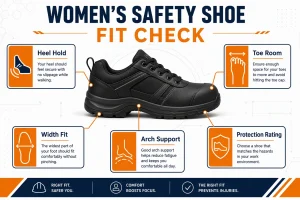
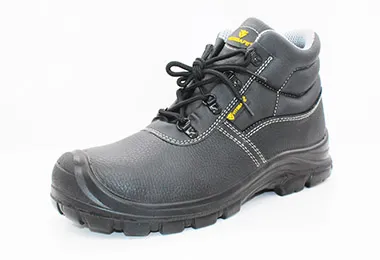
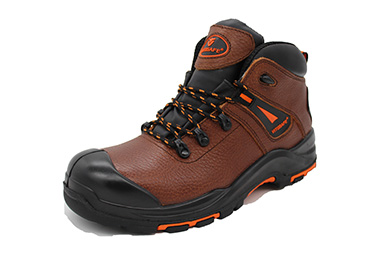
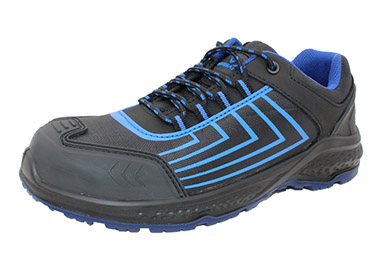
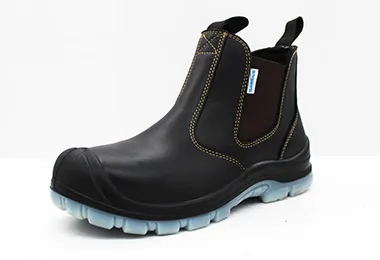
Women’s safety shoe fit check showing heel hold toe room width fit arch support and protection rating
Why fit matters more than many buyers expect
A safety shoe that technically meets a standard can still fail in daily use if workers avoid wearing it correctly. Poor fit is one of the reasons. If the heel lifts with every step, the worker may tighten the laces too much. If the toe box is too narrow, the foot may feel painful after several hours. If the arch and midfoot are not supported, fatigue builds up before the shift is over.
For women workers, these fit problems can be more visible when the available footwear is only scaled down from a wider unisex or men’s last. The shoe may have the right toe cap and outsole, but the wearer still experiences poor hold and uneven pressure. That is why fit should be part of the protection discussion, not a separate comfort issue.
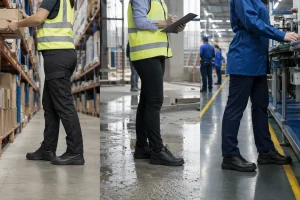
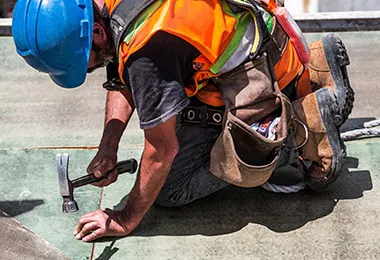
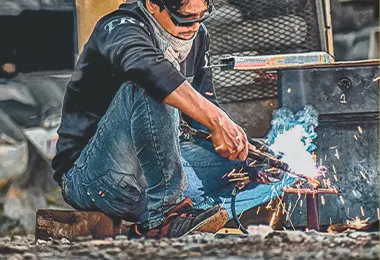
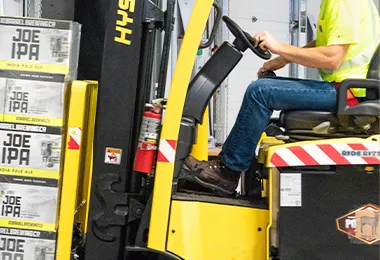
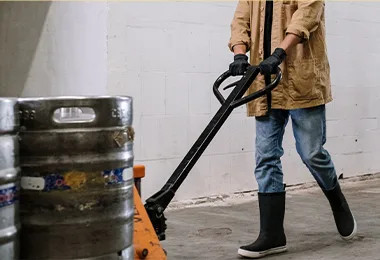
Women workers wearing properly fitted safety shoes in warehouse construction and factory settings
Do not solve women’s sizing by simply ordering smaller men’s shoes
The easiest purchasing shortcut is to order smaller sizes of the same safety shoe. Sometimes this works, especially for workers whose foot shape matches the unisex last. But it should not be the default assumption for every team. Women’s feet may need different heel hold, forefoot width, instep volume and ankle height. A smaller size does not automatically solve these shape differences.
For bulk orders, buyers should test the actual size range that will be issued to workers. Sample only one large display size and the real fitting issues may stay hidden. If the target users include many women, the sample process should include smaller sizes and different width expectations from the beginning.
Heel hold: the first sign of a poor fit
Heel hold is one of the most important checks for women’s safety footwear. The heel should feel secure when walking, climbing stairs or kneeling, without excessive slipping. If the heel moves too much, the worker may compensate by overtightening the upper. That can create pressure over the instep while still failing to stabilize the foot.
A good fit does not mean the shoe feels tight everywhere. It means the heel, midfoot and forefoot work together. Buyers should ask sample users to walk, turn, squat and climb a step. If the heel lifts repeatedly, the issue is not just comfort. It can affect confidence and stability on the job.
Toe room: protection should not mean pinching
Safety toe caps add structure to the front of the shoe, but the worker still needs enough room for the toes to sit naturally. If the toe box is too shallow or too narrow, the wearer may feel pressure at the sides or top of the toes. This can become worse during long shifts, when feet expand slightly.
At the same time, buyers should not oversize the shoe just to create toe room. A shoe that is too long can cause sliding inside the footwear and reduce control. The better solution is to choose the right last, toe box shape and size curve. For private-label projects, this is where clear fit feedback during sampling becomes valuable.
Width and arch support affect fatigue
Women workers in warehouses, factories and inspection roles may stand or walk for many hours. Width and arch support become important because small fit problems repeat thousands of times during a shift. If the widest part of the foot is squeezed, the shoe may feel acceptable for ten minutes but painful after half a day. If arch support is poor, fatigue can build even when the shoe size seems correct.
For buyers, this means sample evaluation should include wearing time. A quick try-on at a desk is not enough. Ask users to test the shoe during walking, bending and standing tasks. Feedback such as hot spots, pressure lines, unstable heel or tired arches should be recorded before confirming a bulk order.
Protection rating cannot be downgraded for fit
A better fit should not come at the cost of lower protection. Women’s safety shoes still need to match the job hazards: toe impact, compression, slip risk, puncture risk, water exposure or electrical requirements. If the role requires a specific rating or document package, the footwear should meet that requirement regardless of size or style direction.
This is especially important when buyers choose lighter or lower-cut models. A lighter shoe may improve acceptance, but it must still match the workplace risk. The right question is not, “Which women’s shoe looks best?” It is, “Which fit solution can meet the same safety target while being more wearable for the user?”
A practical sample process for teams
For teams that purchase women’s safety shoes in quantity, the sample process should be structured. Start with the target workplace and required protection. Then identify the expected size range, width needs and wearing schedule. Select samples that reflect the real workers, not just showroom assumptions.
During fitting, check heel hold, toe room, width, arch support and outsole contact. Ask workers to test normal job movements instead of only standing still. After the first day, collect feedback on pressure, rubbing, fatigue and whether the shoe feels stable. This does not need to be complicated, but it should be more systematic than asking, “Does it feel okay?”
How Vitosafe supports women’s safety footwear projects
Vitosafe helps buyers develop women’s safety footwear by starting from the workplace, not just from a catalog size. For distributors, contractors and private-label programs, we can discuss the target hazards, fit expectations, size curve, outsole choice, upper design and document needs before bulk production.
The goal is practical: a shoe that workers are willing to wear and buyers can specify with confidence. When fit improves without reducing protection, the product is easier to sell, easier to issue and more likely to perform well in daily use. If your market needs women’s safety shoes or a better-fitting unisex range, Vitosafe can help turn user feedback into a workable product specification.
